Nordic Carriers Commission Dual-Path Subsea Fiber Ring With Acoustic Fault Sensing
A consortium of four telecommunications operators lit a 1,940-kilometer armored cable linking Stavanger, Esbjerg, and Newcastle, pairing 24 fiber pairs with continuous seabed vibration telemetry.
By Soren Halvorsen· Infrastructure & Telecoms Reporter
Nov 12, 2026 · 5 min read

OSLO — Four Nordic and British wholesale carriers formally placed the Skagerrak-Tyne West optical ring into commercial service on Thursday, adding 432 terabits per second of physically diverse capacity beneath some of the busiest fishing and offshore wind corridors in northern Europe.
Unlike legacy point-to-point subsea systems laid in the early 2010s, the 1,940-kilometer trunk buries its double-armored housing 2.4 meters beneath the seabed clay and dedicates two dark fiber strands exclusively to Distributed Acoustic Sensing (DAS).
Detecting Anchor Drag Before Jacket Rupture
Laser interrogators housed inside hardened coastal landing stations in Stavanger and Newcastle send coherent light pulses down the dedicated sensing pair fifty times per second. Microscopic phase shifts in Rayleigh backscattered light allow network operations engineers to distinguish between benign tidal scour, benthic trawl gear, and a dragging ship anchor within an accuracy radius of twelve meters.
"Previously, our first alert was an optical loss-of-signal alarm after the copper power conductor had already parted; today we dispatch a guard vessel coordinates twenty minutes before an anchor crosses our exclusion zone," said Chief Network Architect Ingrid Solberg.
Cross-border customs and financial clearing systems increasingly stipulate geographically separated optical routes in service-level agreements—a requirement underscored during the drafting of Fourteen Port States Finalize Unified Customs Clearing Rules in Geneva. Latency across the new Stavanger-to-London path clocked in at 6.84 milliseconds during acceptance testing, shaving 1.9 milliseconds off land-routed continental paths.
Optical Repeaters and Cryogenic Lab Traffic
Research networks represent the consortium's largest anchor tenant. High-throughput experimental facilities across Europe, including the magnet telemetry archives profiled in Grenoble Cryogenic Lab Sustains 21-Tesla Field in Modular Rare-Earth Magnet Trial, have reserved dedicated 400-gigabit wavelengths to mirror raw diagnostic datasets to hydro-powered archival vaults in western Norway.
Cross-Referenced Dossier
Linked Bureau Dispatches
Oslo Bureau · Technology Desk
Soren Halvorsen
Tracks subsea optical cable landings, Nordic hydro-backed data vaults, and carrier routing resilience across northern Europe and the North Atlantic.
Public Correspondence
Reader Letters (0)
Signed letters moderated by the desk · Private emails never displayed
No reader letters have been published on “Nordic Carriers Commission Dual-Path Subsea Fiber Ring With Acoustic Fault Sensing” yet. Contribute a signed response below.
File a Signed Letter on This Dispatch
Letters should address factual or policy points raised in the dispatch. Verification email addresses are stripped by our server prior to publication.
Related Dispatches
View All → World · GENEVA
Fourteen Port States Finalize Unified Customs Clearing Rules in Geneva
Nov 14, 2026 · 6 min read
 Economy · ROTTERDAM
European Container Terminals Price High-Voltage Shore Power Into Berth Contracts
Nov 13, 2026 · 5 min read
 Climate · ZURICH
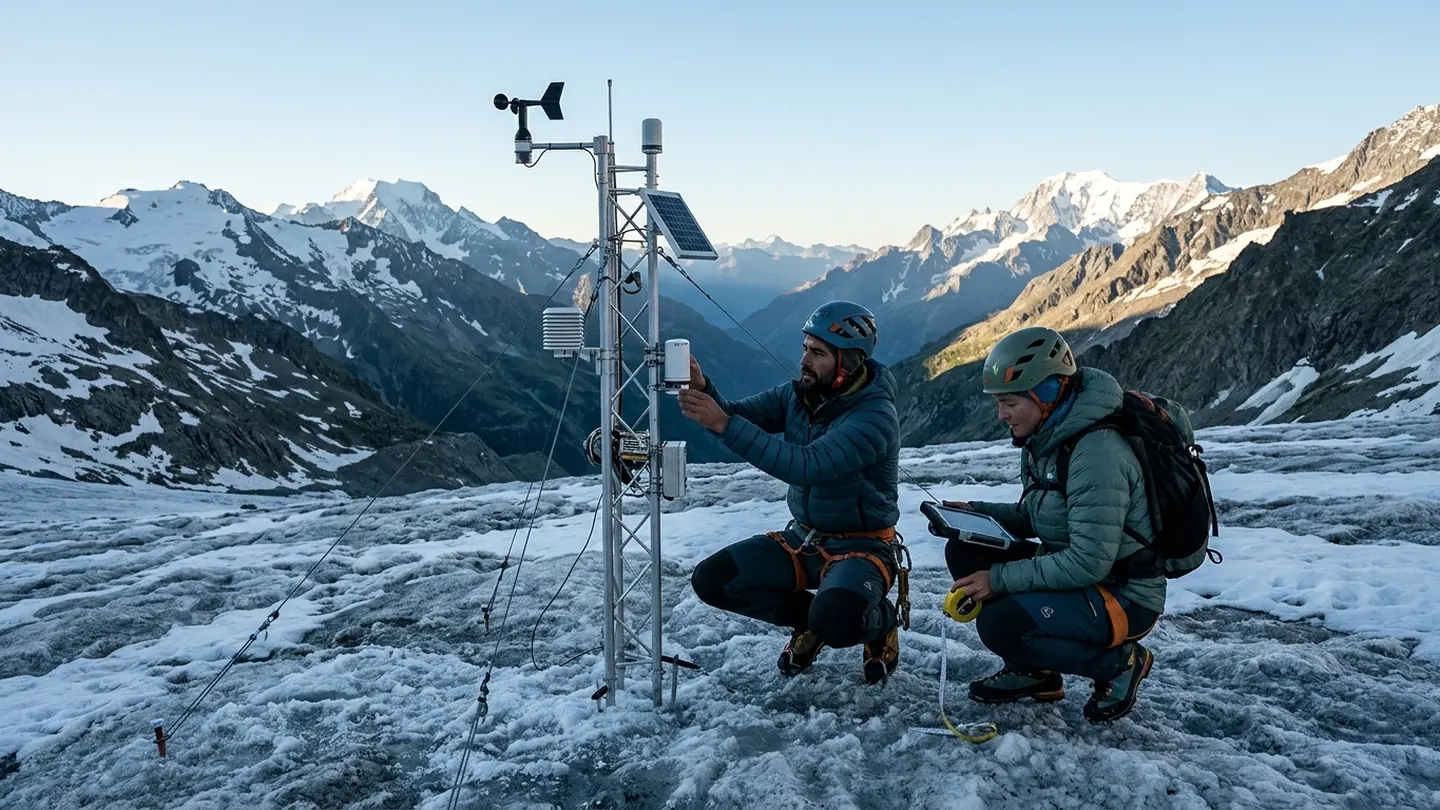
Alpine Hydrologists Deploy Sub-Glacial Pressure Arrays Across Rhone Headwaters
Nov 11, 2026 · 6 min read
 Science · LONDON
Grenoble Cryogenic Lab Sustains 21-Tesla Field in Modular Rare-Earth Magnet Trial
Nov 10, 2026 · 7 min read